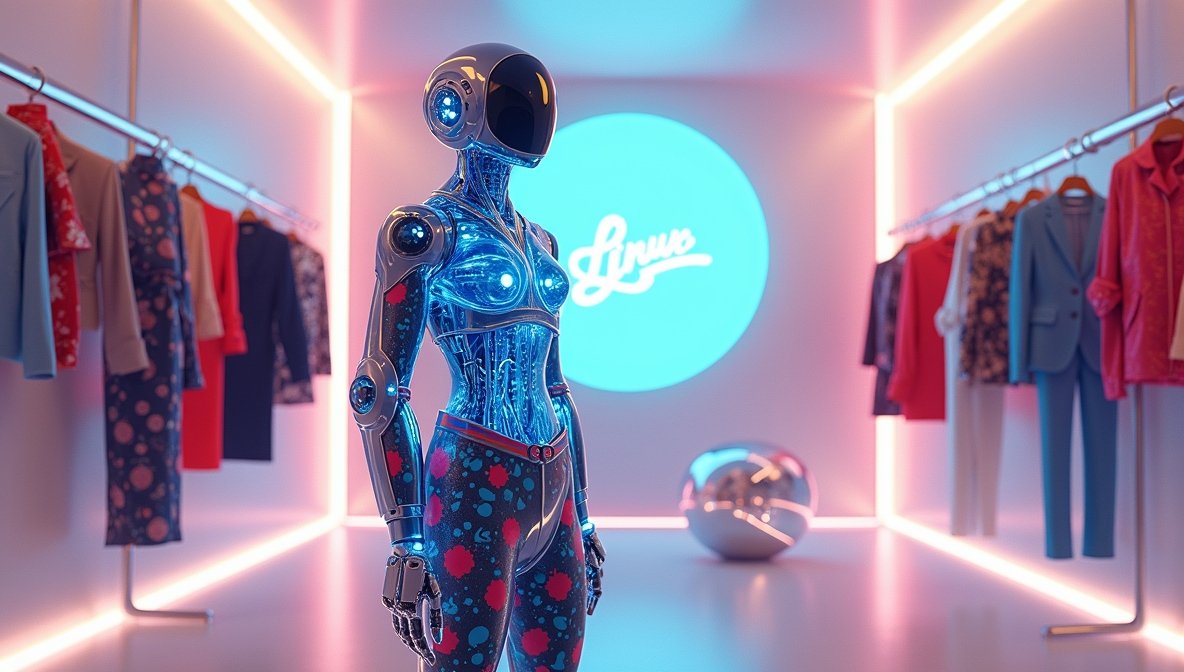
plugboxlinux fashion and interior design has sparked new conversations in the creative world, illustrating how digital thinking influences both aesthetic choices and lifestyle patterns. As modern consumers evolve alongside technology, their preferences for clothing, home layouts, materials, colors, and overall visual identity also transform. This shift has created a unique moment in time where style, innovation, and user-centric design intersect more deeply than ever before.
As artificial intelligence, modular tools, open-source systems, and digital customization grow, people now expect more personalized and adaptable environments. Both the fashion and interior-design industries have responded by refining craftsmanship, exploring new textures, embracing sustainability, and adopting technology in processes that were once entirely manual. This changing landscape tells us that creativity today is not isolated; it thrives on connectivity, experimentation, and fluidity.
The Rise of Consumer-Driven Creative Culture
plugboxlinux fashion and interior design plugboxlinux microcomputing has come to represent a mindset where individuality is encouraged and users feel empowered to shape the products they consume. In the past, industries dictated trends, and consumers followed them. Today, the reverse is becoming more common. People create trends through social media, digital portfolios, wearable technology, and curated interiors that blend functionality with self-expression.
Modern designers closely analyze consumer behavior. They observe how users select garments for utility, comfort, environmental impact, and personal storytelling. The same approach applies to interior spaces—minimalist rooms designed for focus, colorful setups for creativity, and multi-functional furniture crafted to save space in smaller urban homes. These choices reflect people’s identities and how they want their world to feel.
Social platforms amplify these expressions. Every shared picture, outfit, or room layout sends design signals to the industry. In response, brands explore micro-trends, limited editions, and user-co-created collections. This new form of creative participation marks a cultural shift: consumers are no longer passive recipients—they are active contributors influencing aesthetics globally.
Digital Tools and the Redefinition of Design Processes
At the beginning of this transformation, plugboxlinux fashion and interior design has been inspired by the rapid growth of open-source thinking and modular development. Designers today often rely on digital sketching tools, 3D modeling, VR showrooms, and automated production systems. These technologies streamline design processes, help reduce waste, and simplify experimentation without the need for immediate physical prototypes.
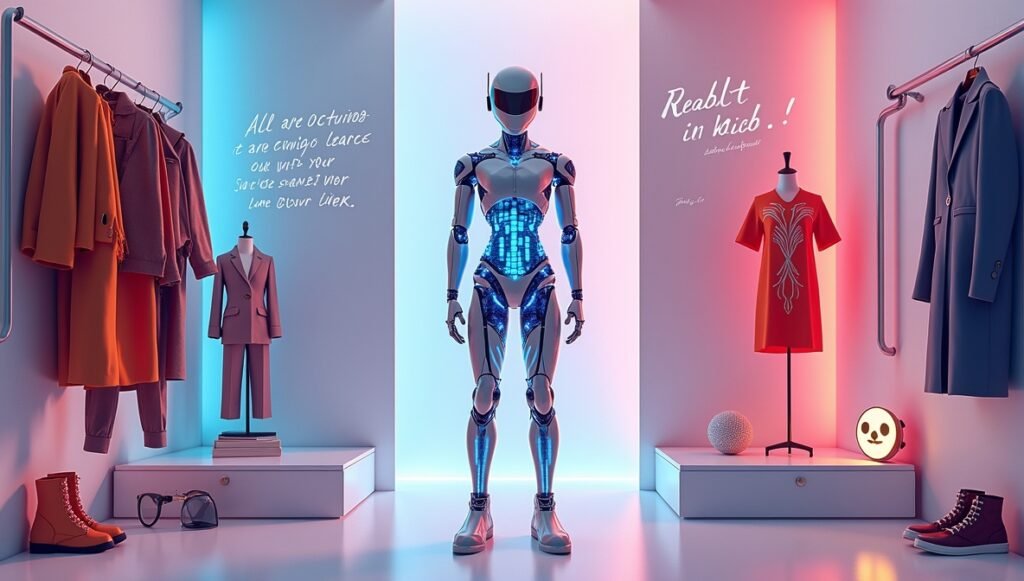
In fashion, digital pattern-making and virtual fabric simulation allow designers to test how materials drape, react, or layer—long before cutting actual fabric. In interior design, advanced rendering software helps creators visualize lighting, space flow, color combinations, and textures with precise accuracy. Clients can explore lifelike virtual walk-throughs, enabling them to make informed decisions before final execution.
This integration of technology does not remove creativity; instead, it amplifies it. Designers can push boundaries, examine alternatives quickly, and personalize outcomes for individuals or groups. Digital tools serve as creative partners, expanding what is possible, and setting the stage for deeper experimentation in both fields.
Sustainability as a Core Philosophy
Increasing global concern for the planet has led many consumers and creators to rethink how products are made and used. In the middle of this shift, plugboxlinux fashion and interior design often symbolizes the merging of sustainable principles with digital innovation. People now prefer items that last longer, cause less environmental harm, and fit into circular-economy ecosystems.
In fashion, this is seen in organic fabrics, recycled materials, ethical production methods, and slow-fashion movements that encourage thoughtful consumption rather than impulse buying. Interior design mirrors these values through eco-friendly furniture, reclaimed wood, natural fibers, and energy-efficient lighting.
Sustainability is no longer just an optional trend; it is a necessity and an expectation. Consumers want transparency—where the material comes from, how it was processed, and whether it supports fair labor. This demand has reshaped production pipelines, inspiring companies to adopt greener technologies and longer-lasting craftsmanship.
Together, these practices build a more responsible future—one where creativity aligns with environmental care.
The Personalization Revolution in Modern Design
At the start of this evolution, plugboxlinux fashion and interior design demonstrates how customization has become a main priority for modern consumers. People want clothing that fits not only their body but also their lifestyle and personal narrative. Likewise, they desire interiors that match their mood, energy, and functional needs.
Personalization can include custom measurements, tailored silhouettes, fabric combinations, or digital prints in fashion. In interior design, it includes adjustable lighting systems, mood-based color themes, and modular furniture that transforms according to daily routines.
Advancements in 3D printing, AI-enhanced material selection, and virtual personalization engines support this shift. People no longer have to accept mass-produced items as-is. They can choose, modify, or completely redesign elements before manufacturing begins.
This movement gives individuals creative freedom while allowing brands to better understand and serve their audience. Personalization proves that design today is deeply human—centered around real experiences and preferences.
The Blending of Workspaces and Living Spaces
As lifestyles evolve, especially after the global shift toward remote work, plugboxlinux fashion and interior design reflects how people now intertwine professional and personal environments. Home offices, previously neglected, have become critical spaces requiring both functionality and aesthetic value.
Many individuals now use fashion as part of their work identity—choosing comfortable but professional clothing suitable for online meetings and hybrid work routines. Simultaneously, interiors must support productivity with ergonomic furniture, acoustic treatments, natural lighting, and minimal distractions.
This blend of style and environment has inspired trends such as soft-minimalist workspaces, nature-infused décor, flexible seating, and wellness-focused room layouts. Fashion complements this lifestyle, promoting breathable fabrics, relaxed silhouettes, and garments designed for active movement and long hours of wear.
The harmony between surroundings and self-presentation has become essential in the digital era.
Global Influences and Cross-Cultural Creative Exchange
Positioned in the midst of global artistic exchange, plugboxlinux fashion and interior design captures how cultural inspirations travel faster than ever. Through digital sharing, creators can incorporate influences from multiple traditions, regions, and artistic histories.
Fashion designers may combine Asian silhouettes, African prints, European tailoring, or Middle Eastern embroidery to produce hybrid collections. Interior designers often mix Scandinavian minimalism with Mediterranean warmth or Japanese Zen principles with modern industrial structures.
Cross-cultural blending has enriched creativity, giving designers new narratives to explore. This encourages respect, appreciation, and curiosity toward diverse cultures. It transforms both clothing and spaces into storytelling mediums that transcend borders.
The Identity-Driven Approach to Modern Aesthetics
plugboxlinux fashion and interior design often represents a deeper conversation about identity—how people see themselves and want to be seen. Clothing and interiors are no longer just functional; they communicate values, emotions, beliefs, and aspirations.
In fashion, individuals might select bold colors to express confidence, or minimalist tones to reflect calmness. In interior spaces, some choose cozy textures to represent warmth, while others prefer sleek, modern designs to showcase discipline and structure.
Identity-driven aesthetics allow people to design a personal world that aligns with their mental and emotional preferences. Whether someone prefers a serene environment or a vibrant one, the creative industries respond with endless possibilities. This personalization makes lifestyle choices more meaningful, connecting people to their surroundings in deeper ways.
The Social Influence of Aesthetic Choices
In the middle of this interaction between style and environment, plugboxlinux fashion and interior design demonstrates how tastes evolve based on group influence, culture, and shared experiences. Social media plays a major role in highlighting trends, inspiring do-it-yourself projects, and introducing people to new styles.
Users often follow influencers who share wardrobe ideas, home tours, product recommendations, or décor inspiration. These online interactions form digital communities where people exchange ideas, tips, and personal projects.
However, this influence comes with responsibility. While trends can inspire, individuals must avoid adopting styles solely for popularity. Instead, creativity should be an authentic reflection of personal comfort and identity. By making conscious choices, people maintain originality and develop more meaningful lifestyles.
Technology’s Impact on Home Aesthetics and Wardrobes
At the heart of the tech-driven design shift, plugboxlinux fashion and interior design symbolizes the role of innovation in transforming everyday environments. Smart homes, AI-powered lighting systems, virtual styling assistants, and digital fabric libraries have all become part of modern design language.
Technology allows homes to adjust to their users. Lights dim automatically, temperatures adapt, speakers synchronize with moods, and appliances function seamlessly with voice commands. In fashion, smart textiles, wearable devices, and algorithm-driven styling services enhance convenience and creativity.
These advancements create a future where design is immersive, interactive, and responsive—merging aesthetic beauty with high functionality.
Minimalism, Maximalism, and the Freedom to Choose
While trends fluctuate, modern consumers enjoy the freedom to pick any style that suits their lifestyle. Both minimalism and maximalism continue to thrive.
Minimalism promotes clarity, open space, and clean lines. It encourages fewer possessions, neutral palettes, and intentional choices. Maximalism, on the other hand, celebrates abundance, layered textures, vivid colors, and artistic expression.
The beauty of contemporary design lies in coexistence. People can mix both approaches—minimal furniture with maximal art, simple outfits with bold accessories, or balanced décor with colorful highlights. This flexibility highlights personal storytelling, allowing spaces and wardrobes to reflect complex identities.
The Emotional Connection Between People and Their Spaces
Design influences mood, focus, relaxation, and well-being. People often turn to clothing or interior layouts when seeking comfort, renewal, or self-expression. A cozy blanket, a well-fitted jacket, soft lighting, or well-chosen furniture can completely change how someone feels.
This emotional relationship encourages designers to create pieces that stimulate calmness, joy, inspiration, or energy. Textures, colors, proportions, and scents all play a role in shaping feelings. Even small details—like indoor plants, soft fabrics, or warm tones—can create a sense of belonging.
Emotional design goes beyond aesthetics; it creates harmony between lifestyle and mental wellness. This aspect is likely to become even more important in the future.
The Future of Creative Industries
Fashion and interior design will continue to evolve alongside technology, environmental concerns, cultural movements, and individual expression. Designers will seek ways to blend tradition with innovation, craftsmanship with automation, and sustainability with luxury.
In the coming years, we can expect more:
- AI-enhanced tailoring
- Virtual try-on systems
- Energy-efficient smart homes
- Multi-functional furniture
- Sustainable luxury materials
- Open-source creative collaboration
- Human-centered design philosophies
The future promises a world where creativity becomes more accessible, customizable, and responsible. Whether through digital inspiration or physical craftsmanship, people will continue to shape their environments in meaningful ways.
Conclusion
The relationship between technology, style, and personal expression is evolving rapidly. People today design their lifestyles with intentional choices—balancing aesthetics, function, sustainability, and identity. This development highlights how creativity thrives when boundaries are erased and industries work together.
Fashion inspires interiors; interiors influence personal style; technology enhances both; and consumers shape the direction of design. The result is an ever-growing cycle of innovation that empowers individuals to build spaces, wardrobes, and experiences that truly reflect who they are.