The healthcare industry has undergone a transformative evolution in recent decades, shaped by advancements in medical technology, pharmaceutical research, and digital health solutions. Patients today have access to a wide array of treatments and monitoring tools that enhance both quality of life and overall wellness. Among these advancements, digital and over-the-counter pharmaceutical solutions play a critical role in managing chronic conditions, improving adherence, and supporting preventative care. The integration of technology into healthcare has not only streamlined medical processes but also empowered individuals to take an active role in their own health management.
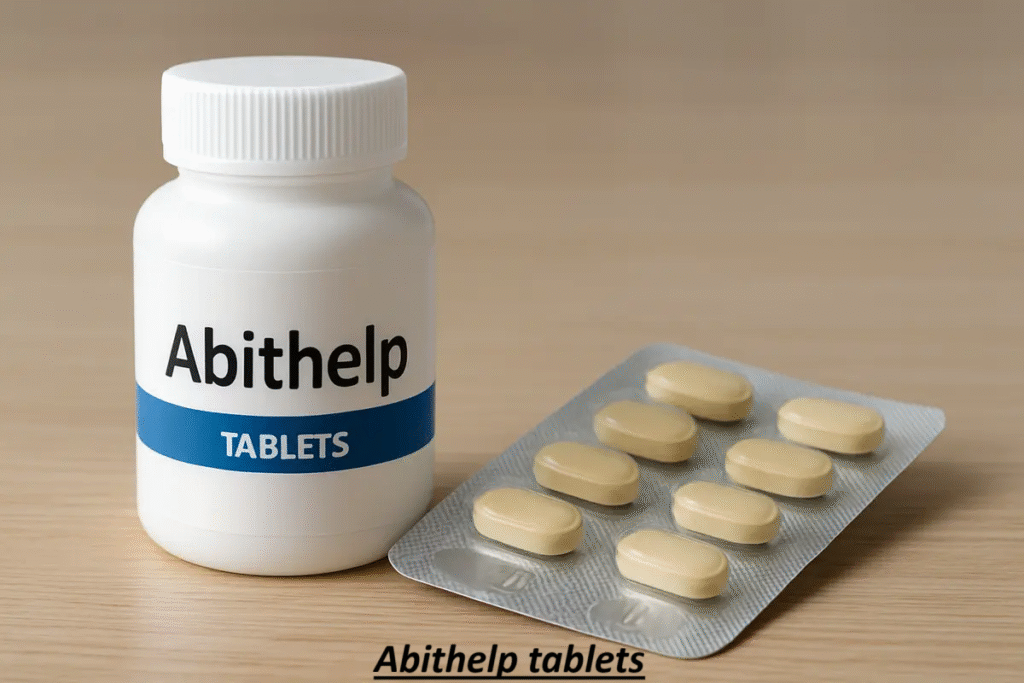
One of the key drivers of this transformation is the development of modern tablets and smart medication delivery systems. These solutions combine traditional pharmacology with digital monitoring and data analytics, providing users with personalized treatment options and real-time health feedback. Products such as abithelp tablets represent a new generation of medication designed to optimize therapeutic outcomes while ensuring patient safety and convenience.
The Evolution of Tablet-Based Medication
Tablets have been a cornerstone of pharmaceutical delivery for over a century. Early formulations focused on delivering active ingredients in a stable, bioavailable form. Over time, pharmaceutical research has introduced innovations such as extended-release tablets, chewable formulations, and combination medications that address multiple conditions simultaneously. The development of smart and digitally enhanced tablets marks a significant leap forward, enabling more precise dosing, enhanced bioavailability, and integrated monitoring of patient adherence.
Abithelp tablets exemplify this evolution, offering a formulation designed for modern healthcare needs. Beyond the standard pharmacological benefits, these tablets are engineered to support patient adherence through user-friendly administration, consistent dosing schedules, and compatibility with digital health monitoring tools.
Enhancing Patient Adherence
One of the persistent challenges in healthcare is ensuring that patients follow prescribed treatment regimens. Non-adherence can lead to suboptimal outcomes, increased hospitalizations, and higher healthcare costs. Factors affecting adherence include complex dosing schedules, side effects, forgetfulness, and lack of understanding of the treatment’s importance. Innovative solutions in medication design and delivery have sought to mitigate these challenges.
Abithelp tablets address adherence by simplifying dosing protocols and incorporating features that make it easier for patients to maintain their schedules. Their user-centric design reduces confusion and promotes consistency, ensuring that patients derive the maximum benefit from their prescribed treatments. This focus on adherence has a direct impact on patient outcomes, improving both short-term symptom management and long-term health technology news pblinuxgaming from plugboxlinux.
The Role of Digital Integration in Healthcare
Digital technology has become integral to modern medicine, enabling healthcare providers to monitor patients remotely, analyze large datasets, and provide personalized care. From wearable devices to mobile applications, digital tools provide insights into patient health and support clinical decision-making. The integration of medication with digital platforms enhances this capability, allowing for real-time feedback, dosage reminders, and adherence tracking.
Through their compatibility with digital health ecosystems, abithelp tablets can be incorporated into broader patient management strategies. For example, mobile apps linked to the tablets can provide dosage alerts, track medication intake, and even notify healthcare providers of potential issues. This synergy between pharmacology and digital technology represents a major advancement in personalized healthcare. instapv
Targeting Chronic Conditions

Chronic conditions such as diabetes, hypertension, and cardiovascular disease are major contributors to global morbidity and healthcare costs. Effective management of these conditions requires consistent medication adherence, lifestyle modifications, and ongoing monitoring. Tablets designed for chronic conditions must consider long-term efficacy, minimal side effects, and ease of use.
Abithelp tablets are particularly beneficial for patients managing chronic illnesses. Their formulation and delivery mechanisms are optimized for long-term use, supporting sustained therapeutic effects. By reducing the complexity of medication regimens, these tablets enhance patient compliance and contribute to better disease management outcomes.
The Science of Drug Formulation
Pharmaceutical development is grounded in rigorous scientific research, ensuring that medications are both effective and safe. Drug formulation involves considerations such as bioavailability, stability, solubility, and release kinetics. Advanced tablets are designed using cutting-edge technologies to enhance absorption, reduce side effects, and improve patient convenience.
Abithelp tablets leverage modern formulation techniques to optimize therapeutic efficacy. Innovations such as controlled-release technology, protective coatings, and combination of active ingredients ensure that patients receive consistent and effective doses. These advancements not only improve clinical outcomes but also enhance the overall patient experience.
Accessibility and Convenience
Modern healthcare emphasizes accessibility and convenience, recognizing that patients are more likely to adhere to treatments that fit seamlessly into their daily lives. Tablets are inherently convenient, allowing for self-administration and portability. Innovations in packaging, dosage reminders, and digital integration further improve the user experience.
By offering a reliable, easy-to-use solution, abithelp tablets align with contemporary demands for convenient healthcare. Their design allows patients to incorporate treatment effortlessly into their routines, enhancing both adherence and satisfaction. This accessibility is especially valuable in managing complex regimens for multiple conditions.
Safety and Regulatory Compliance
Patient safety is paramount in healthcare, and all medications must meet strict regulatory standards. Tablets undergo rigorous testing for efficacy, toxicity, and stability before approval. Regulatory bodies such as the FDA and EMA ensure that products meet stringent quality control standards, protecting patients from potential harm.
Abithelp tablets comply with these regulatory requirements, providing assurance of safety and effectiveness. Comprehensive clinical trials and ongoing monitoring ensure that patients receive reliable treatments, minimizing risk and enhancing trust in pharmaceutical solutions.
Supporting Preventative Care
Preventative care is a cornerstone of modern medicine, emphasizing early intervention and risk reduction. Tablets designed for preventative health can support nutrition, cardiovascular health, immune function, and other critical areas. By incorporating vitamins, minerals, or other bioactive compounds, these tablets contribute to overall wellness and reduce the likelihood of disease progression.
Abithelp tablets can play a role in preventative strategies, offering formulations tailored to support general health and specific risk factors. By integrating preventive care into daily routines, patients can maintain better health outcomes and potentially reduce the need for more intensive medical interventions.
The Role of Patient Education
Education is essential for effective healthcare. Patients who understand their treatments, potential side effects, and expected outcomes are more likely to adhere to prescribed regimens and engage actively with their care providers. Educational resources, counseling, and digital tools can all support patient understanding.
Through integrated information systems, abithelp tablets provide patients with clear guidance on usage, dosing, and expected results. This educational support fosters confidence in treatment and encourages informed participation in healthcare decisions. Patients who are educated about their medications are more likely to achieve optimal outcomes.
Integration with Telemedicine
Telemedicine has transformed healthcare delivery by allowing patients to consult providers remotely. This approach improves access, particularly for those in rural or underserved areas. Digital tablets that integrate with telemedicine platforms enhance the effectiveness of remote care, enabling providers to monitor adherence, adjust dosages, and offer guidance in real-time.
Abithelp tablets complement telemedicine services by providing measurable adherence and digital feedback. Healthcare providers can monitor patient intake, evaluate progress, and intervene as needed, ensuring continuity of care even from a distance. This integration strengthens the relationship between patients and providers while supporting better health outcomes.
Addressing Polypharmacy Challenges
Polypharmacy, or the use of multiple medications simultaneously, presents challenges in adherence, interactions, and side effects. Simplified and optimized tablet formulations help reduce the complexity of managing multiple drugs. Combination therapies, extended-release formulations, and integrated monitoring tools all contribute to safer, more effective treatment plans.
Abithelp tablets are designed with these considerations in mind, offering formulations that streamline treatment regimens for patients with complex medical needs. By reducing the number of pills or simplifying schedules, these tablets mitigate risks associated with polypharmacy and enhance overall safety.
Innovations in Pharmacology
Pharmacological research continues to uncover new therapeutic agents, delivery systems, and molecular innovations. Smart tablets, nanotechnology, and bioengineering are at the forefront of these developments, providing targeted drug delivery, improved absorption, and minimal side effects. These advancements reflect a shift towards precision medicine, where treatments are tailored to individual patient profiles.
Abithelp tablets incorporate cutting-edge pharmacological principles, ensuring that patients receive highly effective and well-tolerated medications. By applying modern science to traditional tablet design, these products bridge the gap between innovation and everyday patient care.
Enhancing Quality of Life
Ultimately, the goal of modern healthcare is to enhance quality of life. Tablets that are effective, safe, and convenient allow patients to manage their conditions more confidently and comfortably. Consistent adherence, reduced side effects, and digital monitoring all contribute to improved health outcomes and overall wellbeing.
By providing reliable and user-friendly treatment, abithelp tablets support patients in achieving better health outcomes. Their combination of efficacy, convenience, and integration with modern health technologies enhances daily life and empowers individuals to take control of their wellness.
The Role of Healthcare Providers
Healthcare providers play a crucial role in guiding patients through treatment options. Physicians, pharmacists, and nurses are instrumental in recommending appropriate medications, educating patients, and monitoring outcomes. Collaboration between providers and patients ensures that therapies are optimized and tailored to individual needs.
Abithelp tablets are designed to support healthcare providers by offering reliable, evidence-based formulations and integrating with patient monitoring systems. Providers can confidently recommend these tablets, knowing that adherence, efficacy, and safety are supported by both design and data.
Global Health Implications
Access to effective medications is a key factor in global health. Tablets that are stable, portable, and easy to administer contribute to better healthcare delivery, particularly in regions with limited resources. Affordable, effective, and accessible treatments reduce the burden of disease and improve population health outcomes.
Abithelp tablets exemplify the potential of modern pharmaceutical design to address global health challenges. Their portability, stability, and ease of use make them suitable for diverse populations, enhancing healthcare access and supporting global wellness initiatives.
Future Directions in Tablet Innovation
The future of tablets in healthcare will be shaped by ongoing research in drug delivery, digital health, and personalized medicine. Innovations such as biofeedback-enabled tablets, AI-integrated dosing schedules, and precision-targeted therapies will redefine how patients manage their health. The continued convergence of pharmacology and digital technology promises a more connected, responsive, and effective healthcare ecosystem.
Platforms and products like abithelp tablets are positioned to lead these advancements, offering solutions that merge traditional pharmacology with cutting-edge technology. The focus on patient adherence, safety, and integration with digital health systems ensures that these tablets remain relevant and impactful in the years to come.
Conclusion: Empowering Patients Through Modern Tablets
The evolution of healthcare and pharmaceuticals has created unprecedented opportunities for improving patient outcomes. Modern tablets provide convenience, efficacy, and integration with digital health tools, empowering patients to manage their health proactively. Products such as abithelp tablets embody this advancement, combining innovative formulation, user-friendly design, and compatibility with modern healthcare technologies.
By addressing adherence challenges, supporting chronic disease management, and enhancing patient education, these tablets contribute to a more effective, personalized, and accessible healthcare system. The integration of pharmacology with digital health solutions ensures that patients are not only treated but also empowered to take control of their wellness journey. As the healthcare landscape continues to evolve, tablets that combine innovation, safety, and convenience will remain central to improving global health outcomes.